
September 15, 2026
Manolis Noukakis
May 21, 2026
Virtual Laboratories of Evolutionary Medicine
June 3, 2026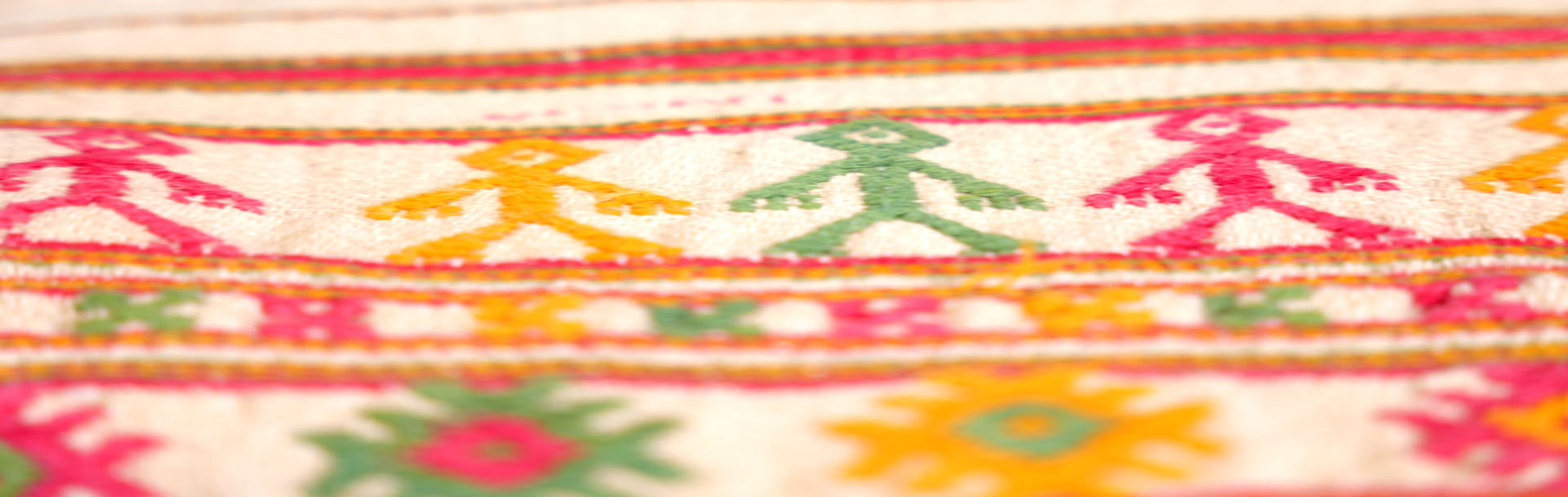
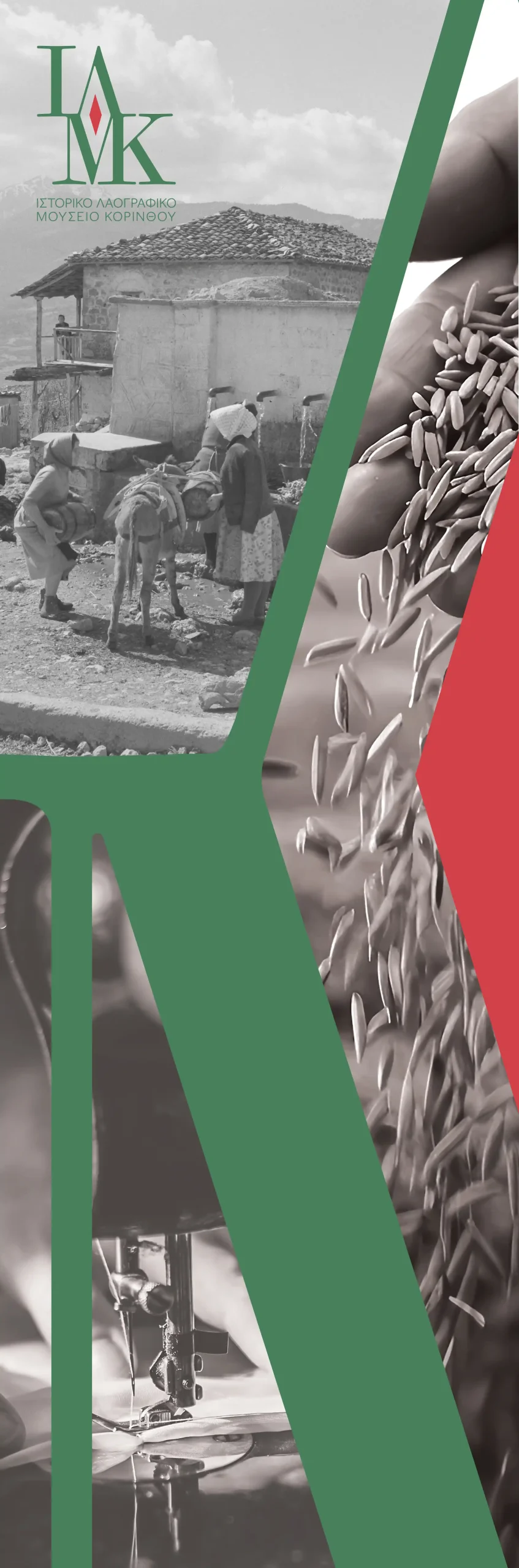
Τhe project “Supply of display cases, exhibition equipment, and accompanying reinstallation services for the Historical Folklore Museum of Corinth” was implemented during 2025–2026 and involved the overall architectural and exhibition redesign of the museum’s permanent collection, aiming to create a contemporary, accessible, and interactive experience for visitors. The new reinstallation was developed through contemporary museological approaches and an integrated exhibition design strategy that highlights the richness of the collections and their connection to local history.
Housed in one of the most emblematic buildings in the city of Corinth, the Historical Folklore Museum of Corinth V. Petropoulos-P. Gartaganis hosts significant collections documenting the history and folk tradition of modern Greece, with a particular emphasis on the region of Corinthia. The collections include traditional costumes, textiles, metalwork and woodcarving objects, tools related to agricultural and pastoral life, everyday objects, as well as rare editions of books, maps, and engravings dating from the 16th to the 20th century.
Diadrasis participated in the implementation of the project in collaboration with Muevo and a team of specialized professionals and researchers from the fields of visual arts, photography, digital production, and graphic design, undertaking the development of the digital media and creative content for the new exhibition.
The project collaborators included: Elisavet Kelidou (Graphic Designer), Maria Leonida (Director), Giannis Misouridis (Videographer), Venia Pastaka (Art Historian), Irini Savvani (Art Historian), Dimitris Saltsampasis (Translator), and Dimitris Tsalkanis (Photographer-Editor).
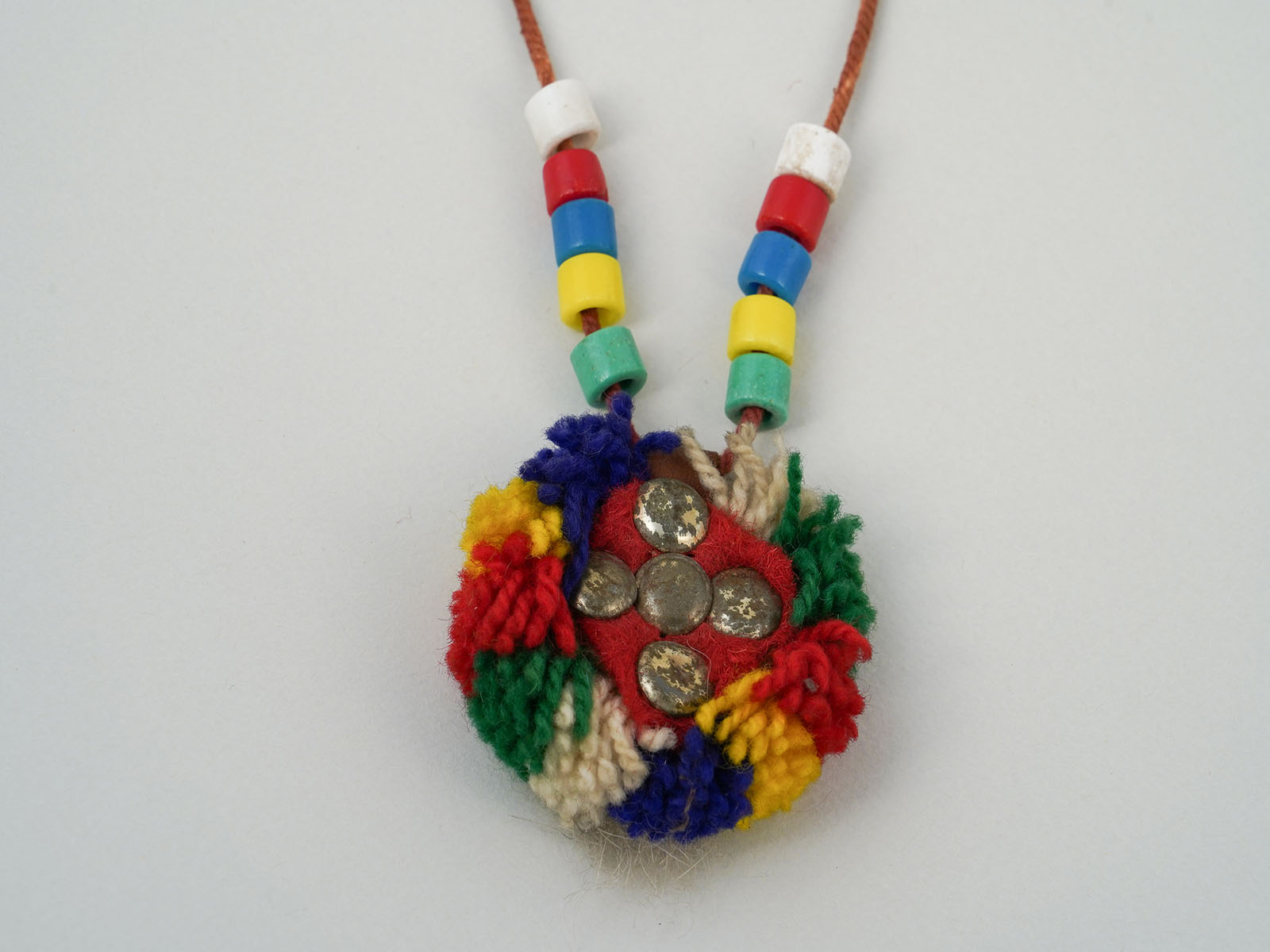
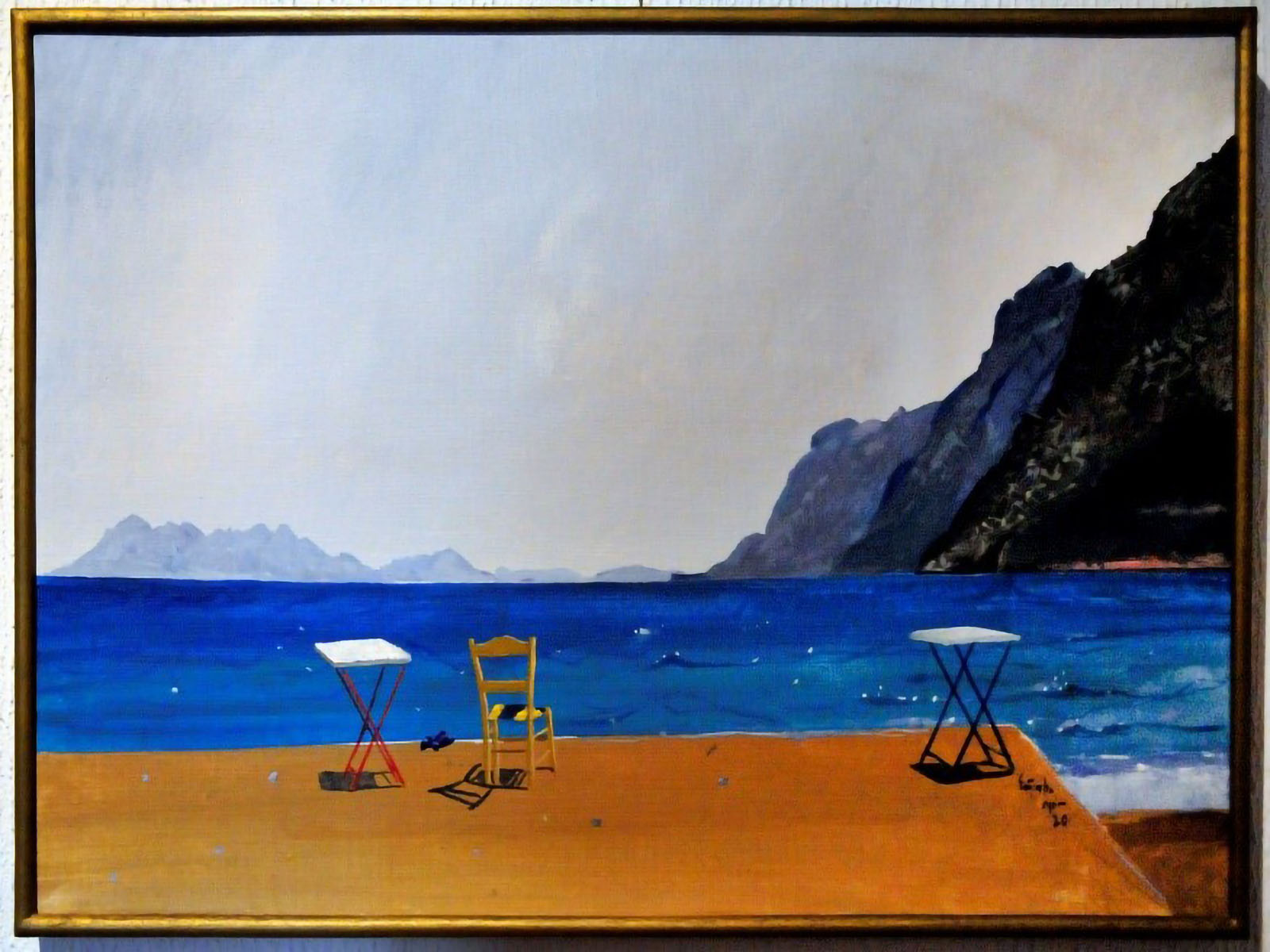
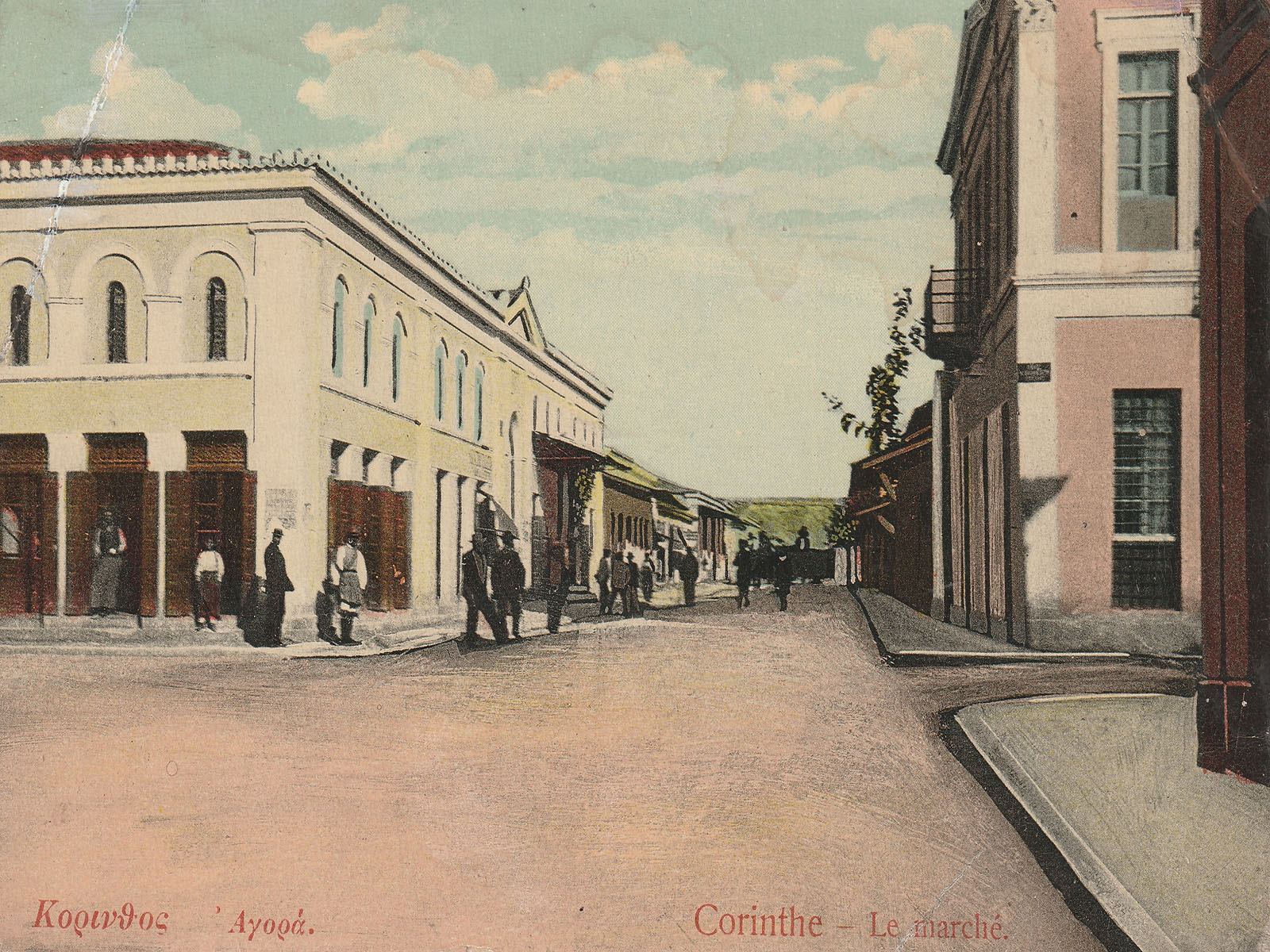
The photography and digitization of the museum objects highlighted the richness and detail of diverse artefacts and archival material created across different historical periods, using a wide range of materials, techniques, and textures. Through the production of high-quality digital assets, the exhibits gained a renewed dynamic presence, supporting both their documentation and their future use within the museum’s digital applications.
The scientific documentation of the Rigas and Kaiti Gartaganis Collection became an important process of engaging with a vivid and deeply personal body of works that reflects both the artistic pursuits and the human relationships behind the formation of the collection. More than sixty works by significant representatives of the Greek art scene were studied and documented, shedding light on different aspects of 20th-century Greek art. The documentation also contributed to the preparation of the collection’s first temporary exhibition, through which the public will have the opportunity to discover an important part of modern Greek artistic production
The editing and translation of the museological texts contributed to shaping a coherent and accessible narrative experience for visitors. The exhibition texts and the content of the multimedia applications were translated into English with the aim of preserving the character and identity of the permanent collection for international audiences as well.
The graphic design of the exhibition was developed as an integral part of the overall visitor experience, following a unified visual identity adapted to the character and aesthetics of the new reinstallation. Particular emphasis was placed on intuitive orientation and the clear organization of information, allowing visitors to navigate the exhibition space in a natural and comprehensible way. At the same time, the design of textual information and signage aimed to foreground the exhibits themselves while creating a readable and functional experience for the public. Visually, the approach combined archival references with contemporary graphic design practices, creating a visual language that creatively bridges the past with the present.
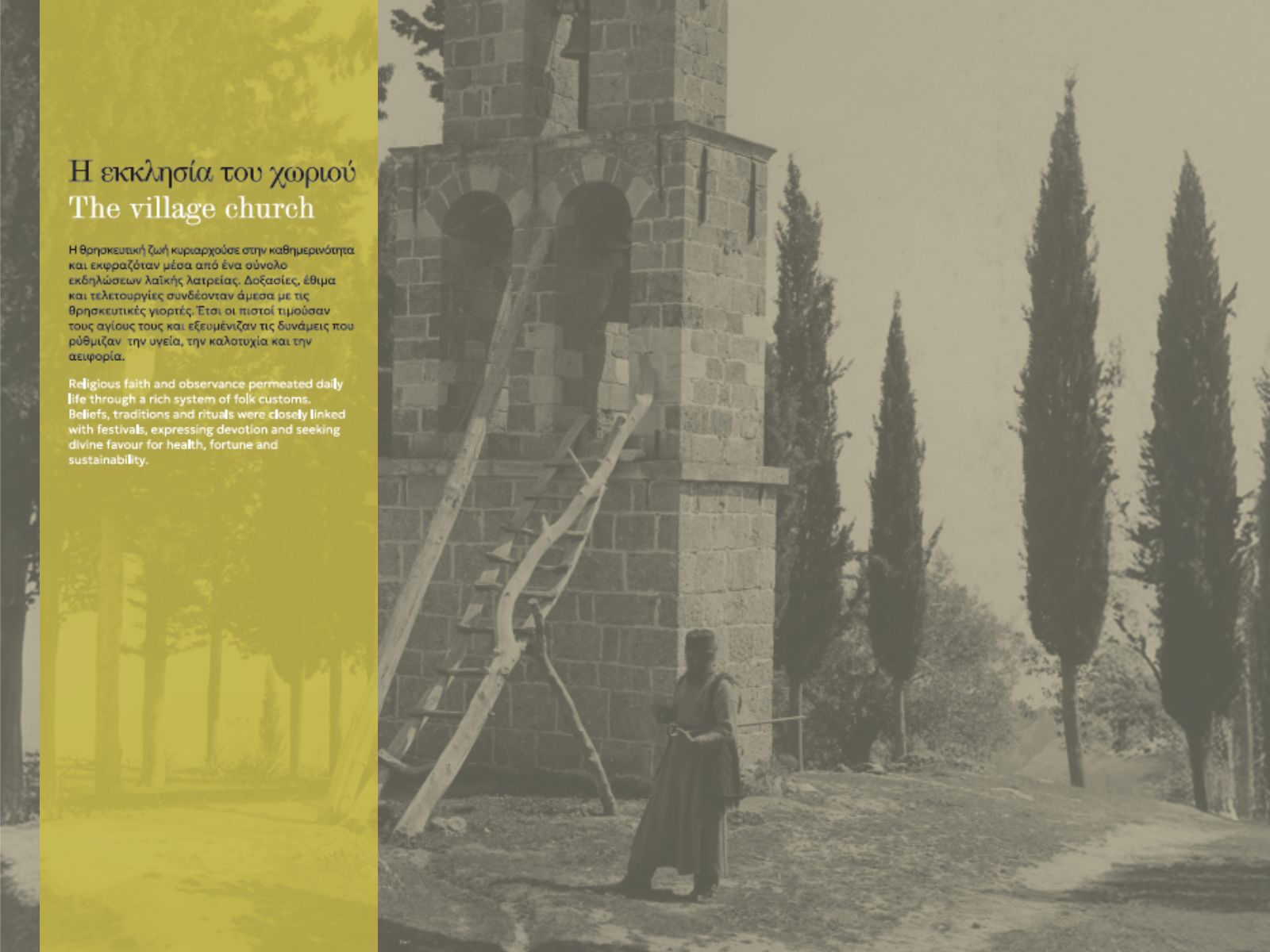
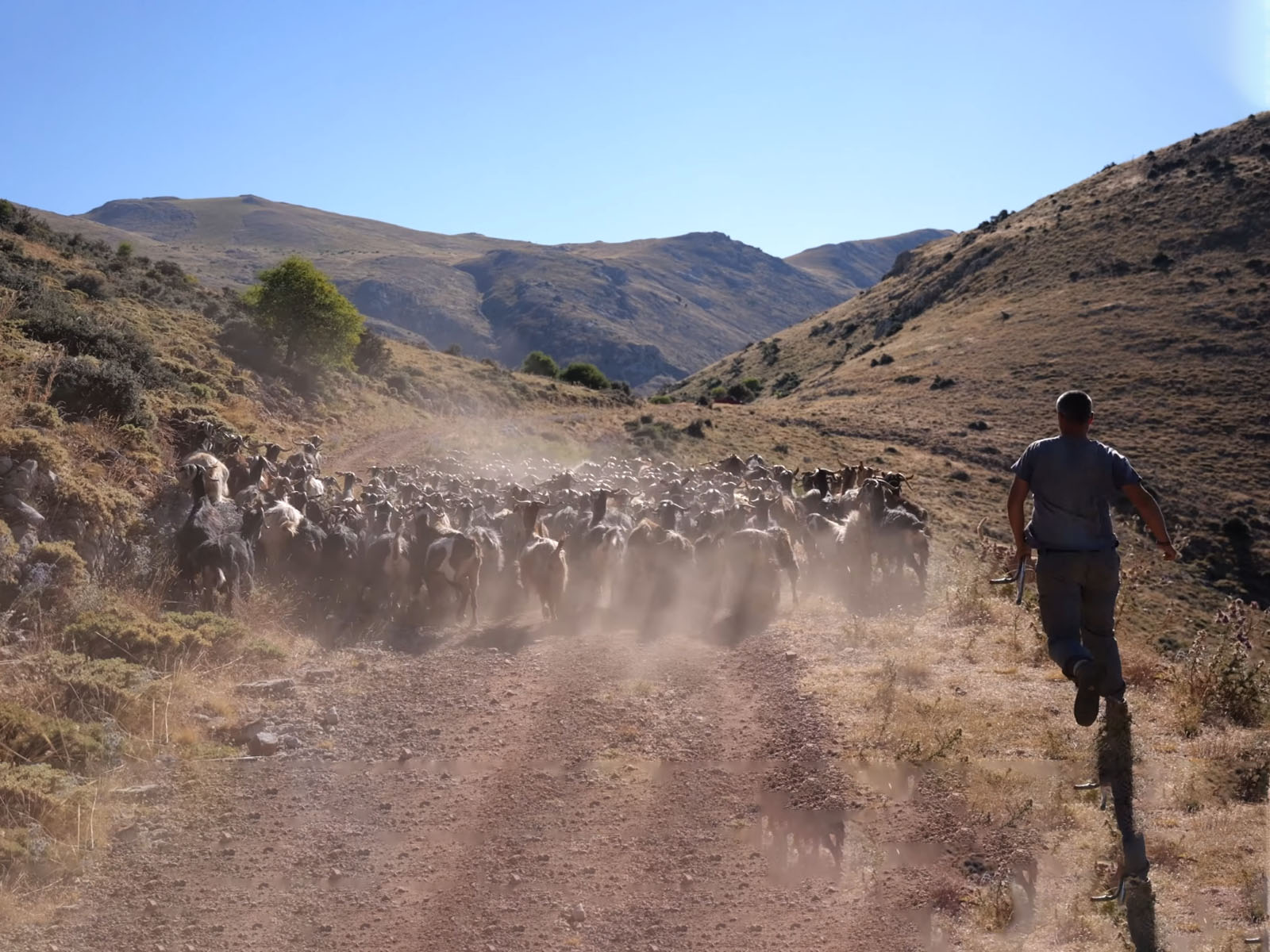
The digital and audiovisual applications were designed as an additional narrative layer within the exhibition space, enriching the visitor experience through image, sound, and multimedia content. The production of the accompanying videos involved collaborations with audiovisual professionals to ensure a high-quality result that would meaningfully enhance the museological narrative. Filming took place across mountainous and lowland Corinthia, in landscapes, production facilities, and sites of historical and cultural significance, documenting people, experiences, and local memories. Through this process, aspects of local identity and everyday life were highlighted in ways that complement the exhibits, offering visitors a more immersive and meaningful understanding of the cultural character of Corinthia.

Αυτός ο ιστότοπος χρησιμοποιεί cookies
Χρησιμοποιούμε cookies για να εξατομικεύουμε το περιεχόμενο και τις διαφημίσεις, να παρέχουμε λειτουργίες κοινωνικών δικτύων και να αναλύουμε την επισκεψιμότητά μας. Επίσης, κοινοποιούμε πληροφορίες σχετικά με τη χρήση του ιστότοπού μας από εσάς στους συνεργάτες μας στα μέσα κοινωνικής δικτύωσης, στη διαφήμιση και στην ανάλυση δεδομένων, οι οποίοι ενδέχεται να τις συνδυάσουν με άλλες πληροφορίες που τους έχετε παράσχει ή που έχουν συλλέξει από τη χρήση των υπηρεσιών τους.
Τα cookies είναι μικρά αρχεία κειμένου που μπορούν να χρησιμοποιηθούν από ιστοσελίδες για να κάνουν την εμπειρία του χρήστη πιο αποδοτική.
Η νομοθεσία ορίζει ότι μπορούμε να αποθηκεύουμε cookies στη συσκευή σας μόνο εάν είναι απολύτως απαραίτητα για τη λειτουργία αυτού του ιστότοπου. Για όλους τους υπόλοιπους τύπους cookies χρειαζόμαστε τη συγκατάθεσή σας. Αυτό σημαίνει ότι τα cookies που κατηγοριοποιούνται ως απαραίτητα επεξεργάζονται βάσει του άρθρου 6 (1) (στ) του GDPR. Όλα τα υπόλοιπα cookies, δηλαδή αυτά των κατηγοριών προτιμήσεων και μάρκετινγκ, επεξεργάζονται βάσει του άρθρου 6 (1) (α) του GDPR.
Αυτός ο ιστότοπος χρησιμοποιεί διαφορετικούς τύπους cookies. Ορισμένα cookies τοποθετούνται από υπηρεσίες τρίτων που εμφανίζονται στις σελίδες μας.
Μπορείτε ανά πάσα στιγμή να αλλάξετε ή να ανακαλέσετε τη συγκατάθεσή σας από τη Δήλωση Cookies στον ιστότοπό μας.
Μάθετε περισσότερα για το ποιοι είμαστε, πώς μπορείτε να επικοινωνήσετε μαζί μας και πώς επεξεργαζόμαστε τα προσωπικά δεδομένα στην Πολιτική Απορρήτου μας.
Παρακαλούμε αναφέρετε το αναγνωριστικό συγκατάθεσής σας και την ημερομηνία όταν επικοινωνείτε μαζί μας σχετικά με τη συγκατάθεσή σας.

